
Helping Active Individuals Recover, Perform, and Stay Injury-Free
Whether you are a professional athlete, a recreational sports participant, or someone who enjoys regular exercise, physical activity places demands on the body that can sometimes lead to injury. Muscle strains, ligament injuries, joint pain, and movement restrictions can all affect performance and limit participation in the activities you enjoy.
Sports physiotherapy focuses on preventing, assessing, treating, and rehabilitating sports-related injuries. Through targeted treatment and structured rehabilitation, individuals can recover safely while reducing the risk of future problems.
At Vitaphysio, our sports physiotherapy service is designed to help patients return to sport, exercise, and daily activities with improved confidence, strength, and mobility.
Understanding Sports Physiotherapy
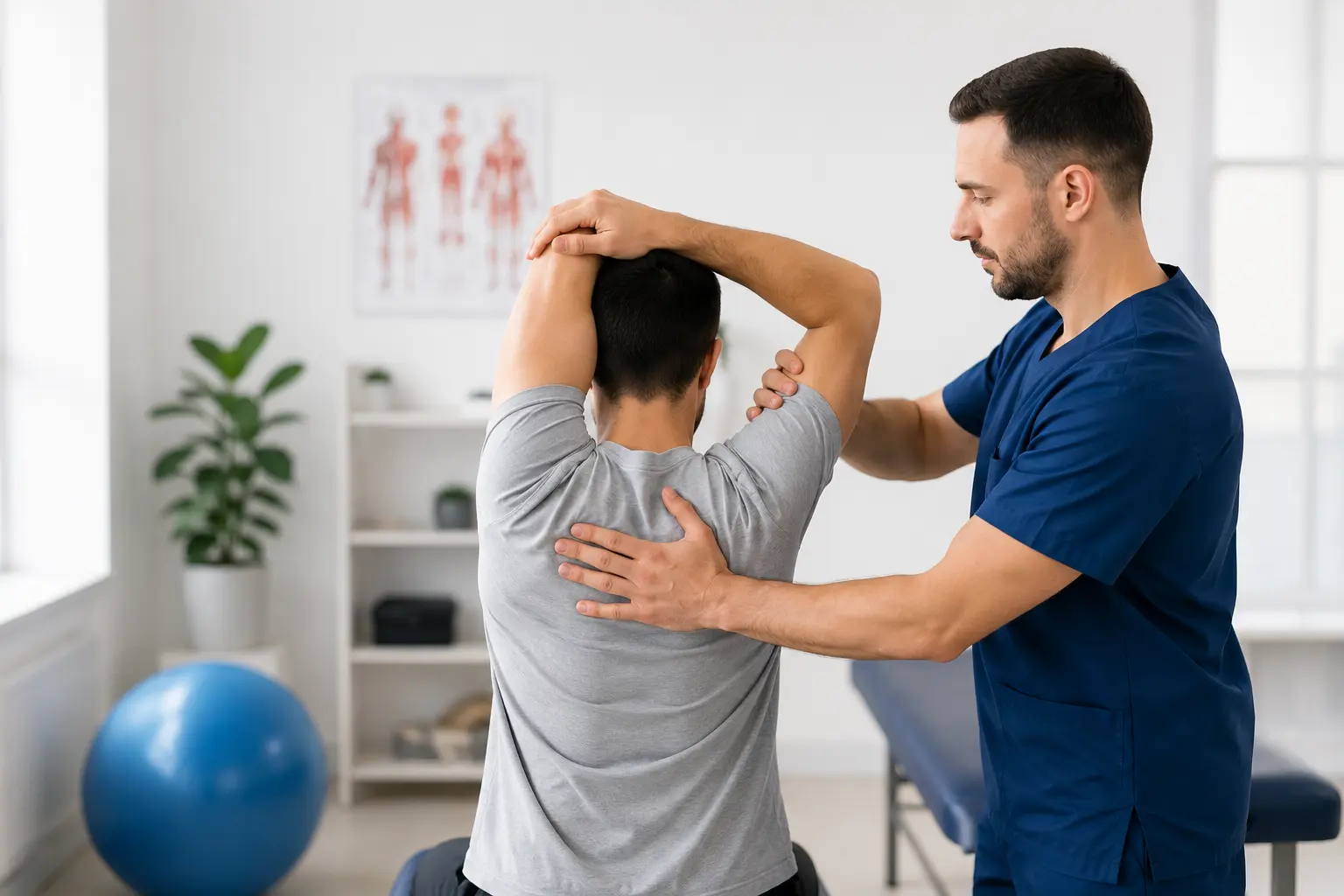
Sports physiotherapy is a specialised area of physiotherapy that focuses on injuries and physical conditions associated with sport and exercise. While treatment often involves injury recovery, sports physiotherapy also aims to improve movement quality, physical performance, and injury prevention.
Sports injuries can occur suddenly during training or competition, while others develop gradually due to repetitive movement, overuse, or poor biomechanics. Regardless of how an injury develops, early assessment and treatment can often improve recovery outcomes and reduce long-term complications.
Physiotherapists evaluate how the body moves, identify contributing factors, and create personalised treatment programmes that support recovery and performance goals.
Common Conditions Treated by Sports Physiotherapy
Sports physiotherapy can help manage a wide variety of injuries and physical complaints.
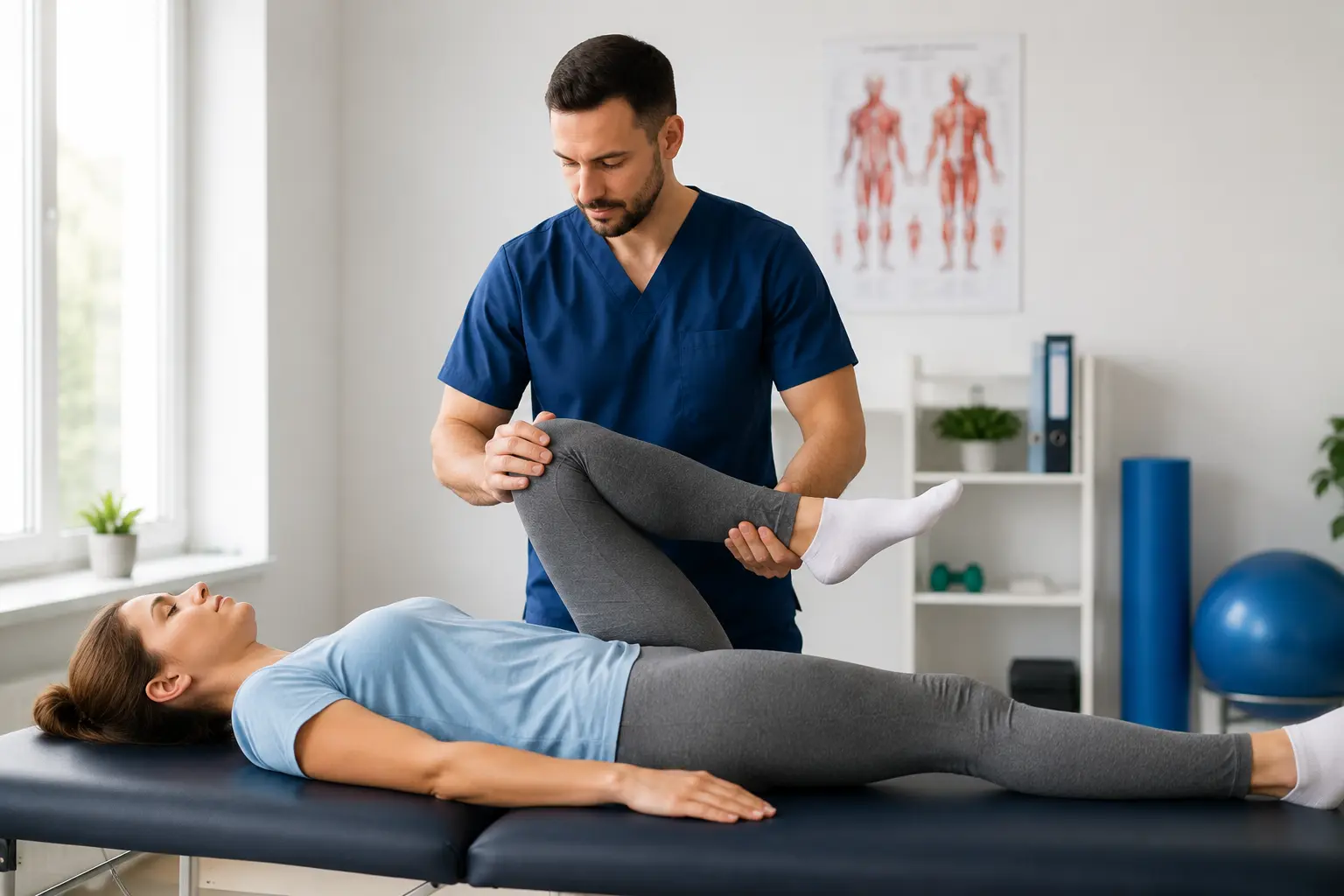
Common conditions include muscle strains, ligament sprains, tendon injuries, joint pain, overuse injuries, running-related conditions, shoulder injuries, knee problems, ankle sprains, and sports-related back pain.
Many individuals also seek sports physiotherapy to address recurring injuries or movement limitations that affect athletic performance.
Understanding the underlying cause of symptoms is an important part of creating an effective treatment strategy.
Comprehensive Assessment and Diagnosis
Every rehabilitation programme begins with a detailed assessment.
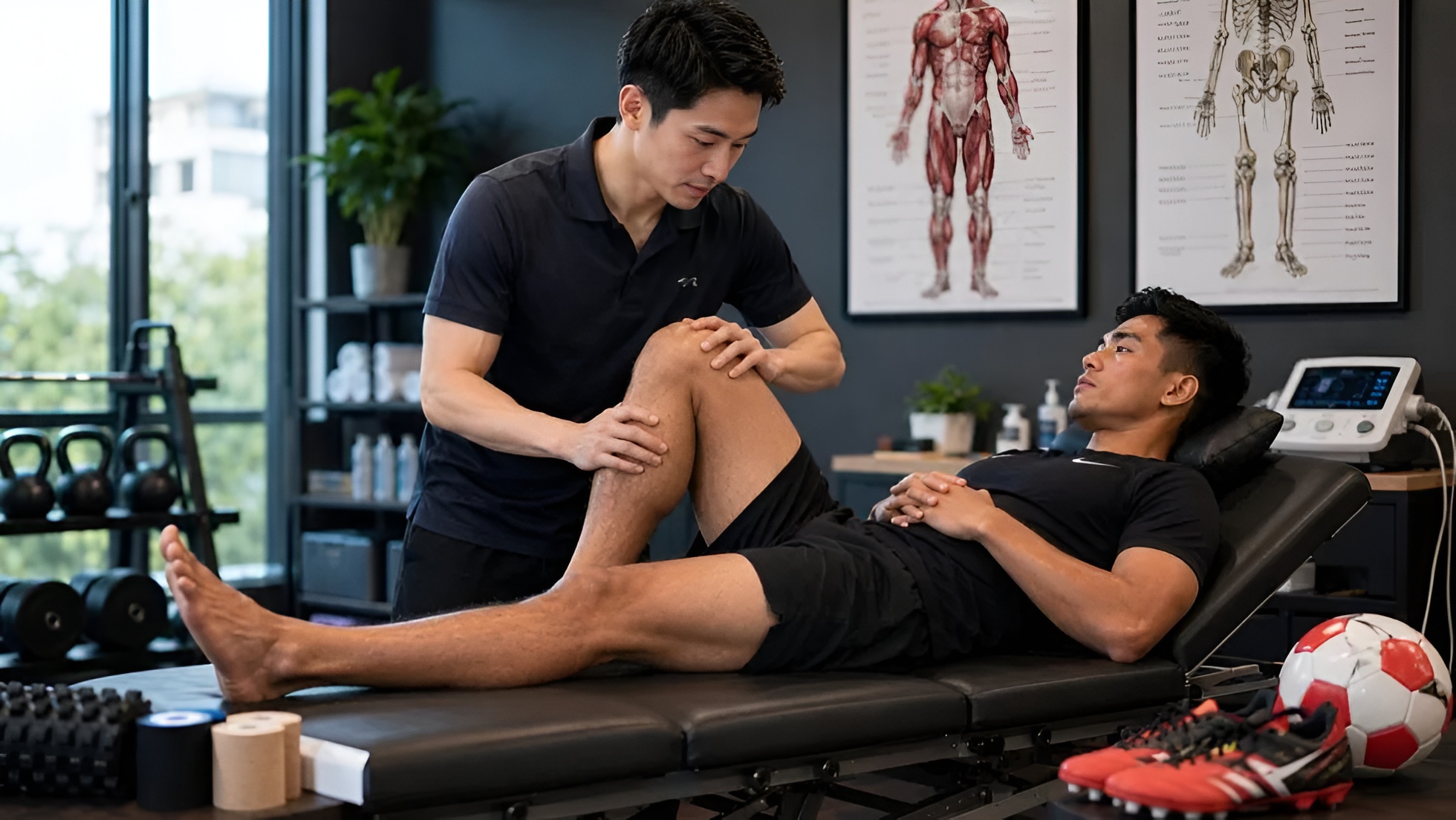
During your initial appointment, your physiotherapist will discuss your symptoms, training habits, sporting activities, injury history, and recovery goals. A physical assessment is then carried out to evaluate strength, flexibility, joint mobility, movement patterns, balance, and functional performance.
This thorough approach helps identify not only the injury itself but also the factors that may have contributed to its development.
A clear diagnosis allows treatment to be tailored specifically to your needs.
Personalised Treatment and Rehabilitation
No two injuries are identical, which is why treatment plans are always tailored to the individual.
Sports physiotherapy may involve hands-on treatment techniques, mobility work, strengthening exercises, flexibility training, movement retraining, and sport-specific rehabilitation. Treatment is designed to support healing while progressively restoring normal function.
As recovery progresses, exercises become increasingly focused on helping patients safely return to their chosen activities and sporting demands.
The goal is not simply to reduce pain but to restore confidence and physical capability.
Benefits of Sports Physiotherapy:
Sports physiotherapy provides a range of benefits for active individuals:
- Faster recovery from sports-related injuries
- Improved strength, mobility, and movement quality
- Reduced risk of recurring injuries
- Greater confidence when returning to sport and exercise
These benefits help individuals continue participating in physical activities while supporting long-term musculoskeletal health.
Injury Prevention and Performance Support
Sports physiotherapy is not only for injury recovery. Many athletes and active individuals use physiotherapy to improve performance and reduce injury risk.
Movement assessments can identify weaknesses, imbalances, and biomechanical issues that may contribute to injury. Addressing these factors early can help improve efficiency, support physical performance, and reduce strain on joints and muscles.
Preventative strategies are particularly valuable for individuals involved in regular training or competitive sport.
Returning to Sport Safely
One of the most important stages of rehabilitation is returning to sport safely. Returning too early can increase the risk of reinjury and prolong recovery.
Sports physiotherapy uses a structured rehabilitation approach that gradually prepares the body for the physical demands of training and competition. Strength, flexibility, endurance, and functional movement are carefully monitored throughout the process.
This ensures individuals return to activity with greater confidence and reduced injury risk.
Why Choose Professional Sports Physiotherapy?
Sports injuries often affect more than physical performance. They can disrupt training schedules, impact confidence, and limit participation in activities that contribute to overall wellbeing.
Professional physiotherapy provides expert guidance throughout the recovery process. Through evidence-based treatment and personalised rehabilitation, patients receive the support needed to achieve lasting results and safely return to the activities they enjoy.
Take the Next Step Towards Recovery:
Injuries should not prevent you from enjoying an active lifestyle. Sports physiotherapy provides a structured approach to recovery that focuses on reducing pain, restoring function, and supporting long-term physical health. Whether you are recovering from an injury or looking to optimise performance, professional physiotherapy can help you move forward with confidence and return to doing what you enjoy most.
Frequently Asked Questions?
What is sports physiotherapy?
Sports physiotherapy focuses on the prevention, treatment, and rehabilitation of injuries related to sport and physical activity.
Can sports physiotherapy help non-athletes?
Yes. Many active individuals and recreational exercisers benefit from sports physiotherapy treatment.
How soon should I seek treatment after a sports injury?
Early assessment is often recommended as it can help support recovery and prevent further complications.
Will I receive exercises as part of treatment?
Yes. Rehabilitation exercises are commonly used to improve strength, mobility, and functional performance.
Can sports physiotherapy help prevent injuries?
Yes. Physiotherapists can identify risk factors and provide strategies designed to reduce injury risk.
Message Us

- Suite 407/160 Rowe Street, Eastwood NSW 2122
- Hours: Mon-Fri: 9AM-6PM, Sat: By Appointment