
Helping Football Players Return to the Game Safely and Strongly
Football is a fast-paced and physically demanding sport that requires strength, speed, agility, balance, and endurance. Whether you play competitively, at a local club level, or recreationally, the physical demands of the game can place significant stress on the body. Sudden changes in direction, tackling, sprinting, jumping, and repeated impacts all contribute to an increased risk of injury.
A football injury can affect much more than your performance on the pitch. It can interrupt training, reduce confidence, and make everyday activities uncomfortable. While many players are eager to return to the game as quickly as possible, rushing recovery often increases the risk of further injury.
At Vitaphysio, our Football Injury Rehabilitation service is designed to support a safe and structured recovery process. Through personalised rehabilitation programmes, we help football players regain strength, restore mobility, improve function, and return to play with confidence.
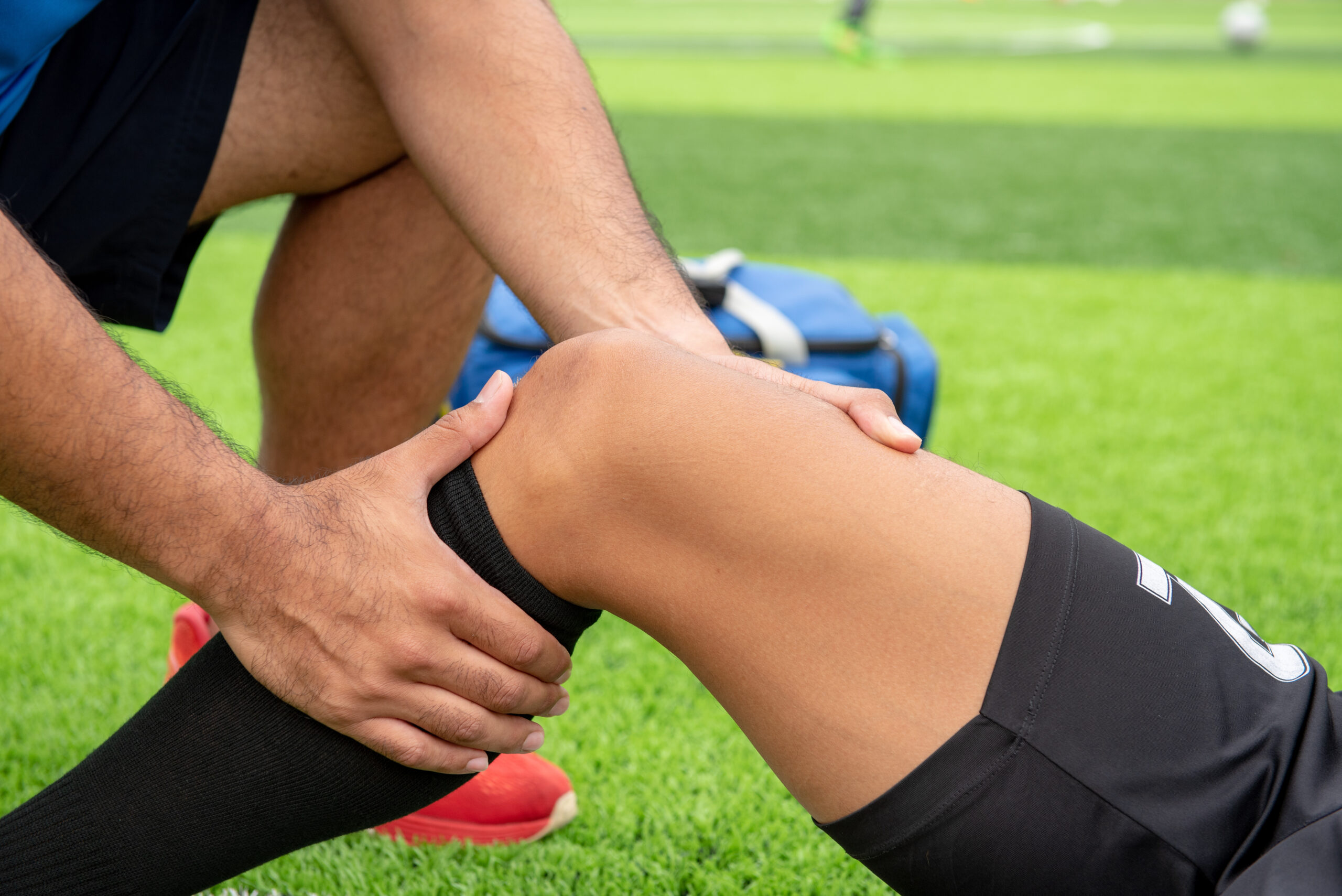
Understanding Football Injuries
Football involves a combination of explosive movements and physical contact, making injuries relatively common at all levels of participation. Some injuries occur suddenly during matches or training sessions, while others develop gradually due to overuse, repetitive strain, or inadequate recovery.
Every injury affects players differently depending on the area involved, the severity of the condition, and the individual’s physical demands. Effective rehabilitation requires a clear understanding of both the injury itself and the factors that contributed to its development.
Professional rehabilitation focuses not only on symptom relief but also on restoring the physical capabilities required for football performance.
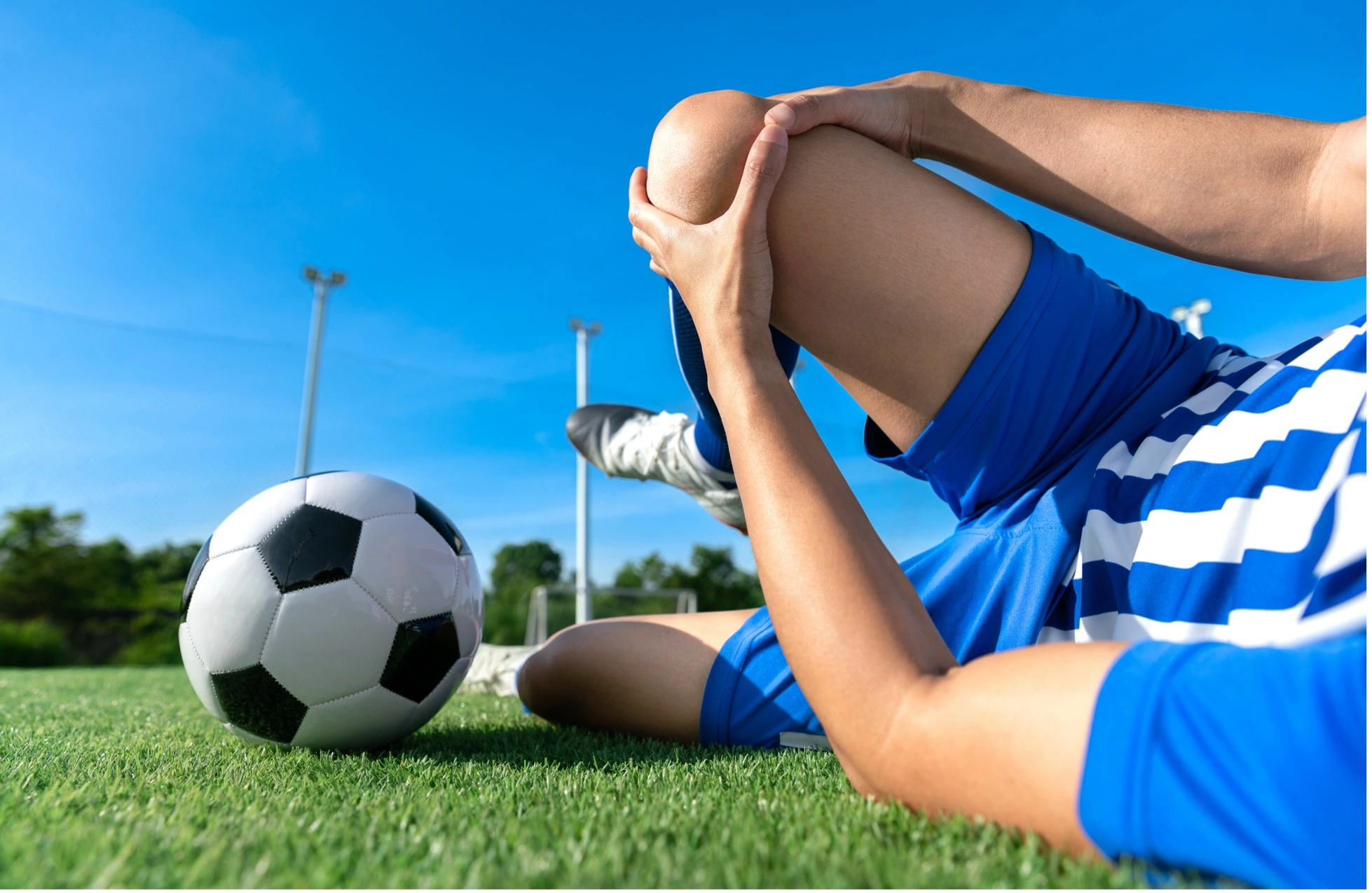
Common Football Injuries
Football players can experience a wide range of injuries affecting muscles, ligaments, tendons, joints, and soft tissues.
Common football-related injuries include hamstring strains, calf injuries, ankle sprains, knee ligament injuries, groin strains, quadriceps injuries, Achilles tendon problems, and lower back pain. Impact injuries and overuse conditions are also frequently seen in football players.
Because football places significant demands on the lower body, rehabilitation often focuses heavily on restoring strength, stability, and movement quality throughout the legs and core.
Identifying the exact cause of symptoms is essential for achieving a successful recovery.
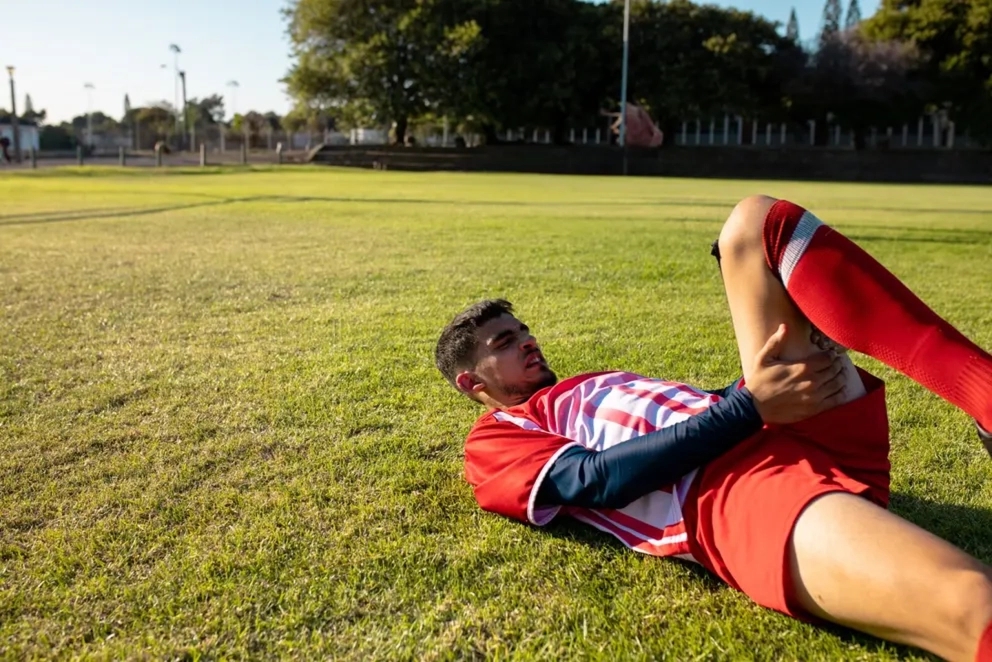
Comprehensive Assessment and Injury Evaluation
Successful rehabilitation begins with a detailed assessment.
During your initial consultation, your physiotherapist will discuss your injury history, symptoms, playing position, training routine, previous injuries, and recovery goals. A physical examination is then performed to assess strength, flexibility, balance, joint mobility, movement patterns, and functional performance.
This comprehensive approach helps identify both the injury and any contributing factors that may affect recovery or increase the risk of future problems.
A personalised rehabilitation strategy can then be developed based on your individual needs.
Personalised Rehabilitation Programmes
Every football injury requires a tailored approach. Recovery timelines, treatment methods, and rehabilitation exercises vary depending on the condition being treated.
Your rehabilitation programme may include manual therapy, mobility exercises, muscle strengthening, flexibility training, balance work, and sport-specific conditioning. As recovery progresses, exercises become increasingly focused on the physical demands of football.
The goal is to restore function gradually while preparing the body for running, sprinting, changing direction, kicking, and other football-related movements.
Progress is monitored throughout treatment to ensure recovery remains on track.
Benefits of Football Injury Rehabilitation
A structured rehabilitation programme provides several important advantages:
- Improved recovery and reduced pain
- Enhanced strength, stability, and mobility
- Reduced risk of future football injuries
- Greater confidence when returning to training and matches
These benefits help players return to the pitch in a safer and more prepared condition.
Rebuilding Strength and Performance
Following an injury, affected muscles and supporting structures often become weaker due to reduced activity levels and protective movement patterns. Without proper rehabilitation, these weaknesses can affect performance and increase injury risk.
Football rehabilitation focuses on progressively rebuilding strength while restoring normal movement patterns. Exercises are introduced gradually to ensure tissues adapt appropriately to increasing demands.
This structured progression helps players regain physical performance while minimising unnecessary stress on healing tissues.
Preparing for a Safe Return to Football
Returning to football requires more than being pain-free. Players need sufficient strength, endurance, flexibility, balance, and confidence to meet the demands of training and competition.
A comprehensive rehabilitation programme includes progressive sport-specific exercises that replicate the movements performed during football. This helps prepare the body for the physical challenges of the game while reducing the likelihood of setbacks.
Careful planning and gradual progression play a crucial role in achieving a successful return to play.
Preventing Future Injuries
Injury prevention is an important part of football rehabilitation. Many injuries occur due to factors such as muscle imbalances, inadequate recovery, movement dysfunctions, or training errors.
Rehabilitation helps identify these contributing factors and provides strategies to address them. By improving movement quality, strength, and overall physical conditioning, players can reduce their risk of future injuries and maintain consistent participation in the sport.
Long-term success often depends on combining effective recovery with ongoing injury prevention strategies.
Why Choose Professional Football Injury Rehabilitation?
Football injuries can be frustrating and disruptive, particularly for players who are passionate about the sport. Professional rehabilitation provides expert guidance throughout every stage of recovery, helping players regain confidence while restoring physical performance.
Through evidence-based treatment and personalised rehabilitation planning, individuals receive the support needed to recover effectively and return to football safely.
Get Back on the Pitch with Confidence
A football injury does not have to keep you away from the sport you enjoy. With professional rehabilitation, it is possible to restore strength, improve mobility, rebuild confidence, and return to football safely. A structured recovery programme can help you achieve lasting results while supporting both performance and long-term physical health.
Frequently Asked Questions?
Can physiotherapy help football injuries?
Yes. Physiotherapy is highly effective for many football-related injuries and can help improve recovery outcomes.
How long does football injury rehabilitation take?
Recovery times vary depending on the injury type, severity, and individual healing response.
Can rehabilitation reduce the risk of future injuries?
Yes. Rehabilitation often addresses strength deficits, movement issues, and other factors that contribute to injury risk.
Will I receive exercises to complete at home?
Yes. Home exercises are commonly included as part of a comprehensive rehabilitation programme.
When can I return to football after an injury?
This depends on your recovery progress and the specific injury involved. Your physiotherapist will guide you through a safe return-to-play process.
Message Us

- Suite 407/160 Rowe Street, Eastwood NSW 2122
- Hours: Mon-Fri: 9AM-6PM, Sat: By Appointment