
Helping You Recover Stronger and Return to Activity with Confidence
Sports injuries can disrupt training schedules, affect athletic performance, and interfere with everyday life. Whether you are a competitive athlete, weekend sports enthusiast, or someone who enjoys regular exercise, an injury can limit your ability to stay active and perform at your best.
Successful recovery often requires more than simply resting and waiting for symptoms to improve. Without proper rehabilitation, underlying weakness, reduced mobility, and movement dysfunction can remain long after pain has subsided. These issues may increase the likelihood of future injuries and delay a safe return to activity.
At Vitaphysio, our Sports Injury Rehabilitation service focuses on helping individuals recover safely through personalised treatment programmes designed to restore function, rebuild confidence, and support long-term physical performance.
Understanding Sports Injury Rehabilitation
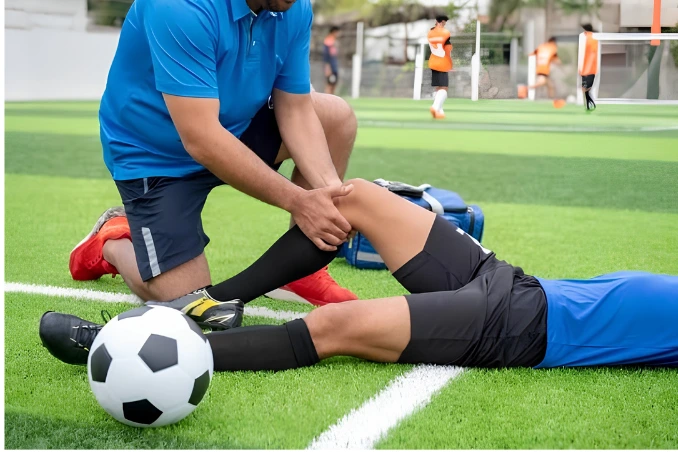
Sports injury rehabilitation is a structured process that helps individuals recover following physical injuries sustained during sport, exercise, or recreational activities. The primary objective is not only to reduce pain but also to restore normal movement, improve strength, and prepare the body for the demands of returning to activity.
Every injury is unique. Recovery requirements can vary significantly depending on the type of injury, the severity of tissue damage, and the individual’s activity goals. A personalised rehabilitation programme ensures treatment is tailored to each patient’s needs.
Effective rehabilitation addresses both the symptoms and the factors that contributed to the injury in the first place.
Common Sports Injuries We Help Treat
Sports injuries can affect muscles, tendons, ligaments, joints, and other soft tissues throughout the body.
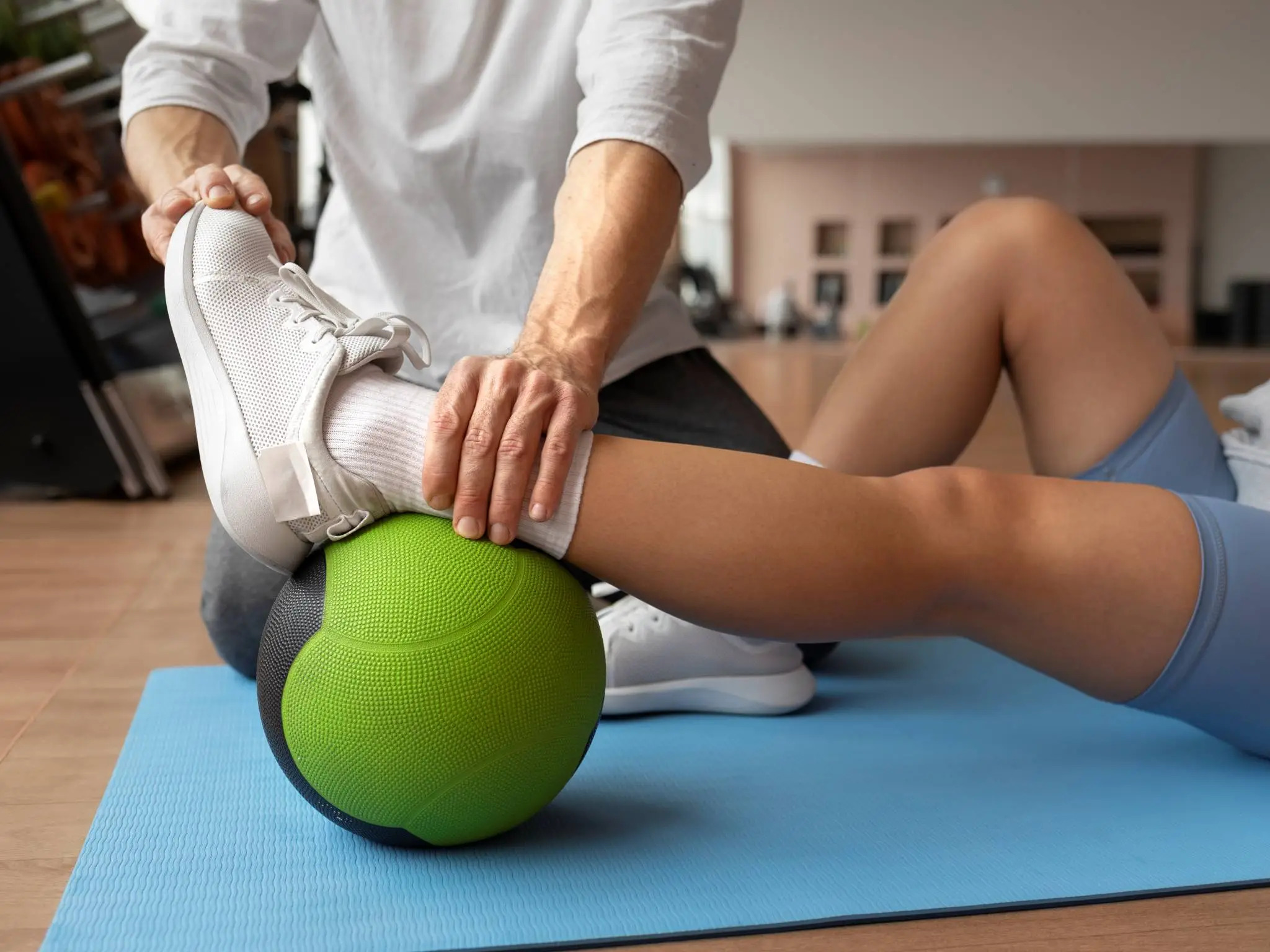
Common conditions include ankle sprains, muscle strains, ligament injuries, tendon problems, knee injuries, shoulder injuries, overuse conditions, running-related injuries, and rehabilitation following sports surgery.
Many injuries develop gradually due to repetitive stress and training demands, while others occur suddenly during competition or exercise.
Regardless of how the injury occurs, professional rehabilitation can play an important role in supporting a successful recovery.
Comprehensive Assessment and Individualised Planning
Every rehabilitation journey begins with a detailed assessment.
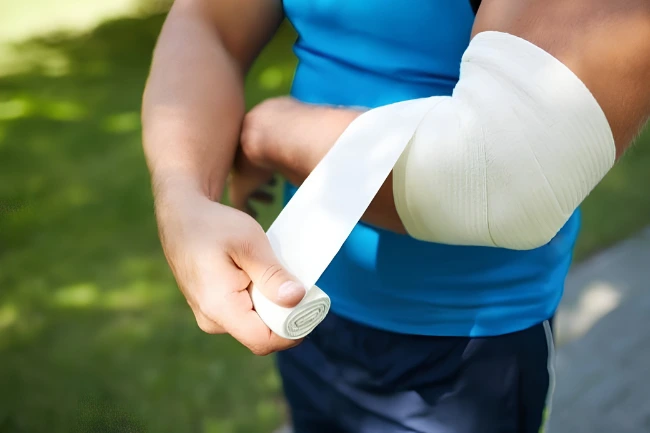
During your initial consultation, your physiotherapist will discuss your symptoms, injury history, training routine, activity levels, and recovery goals. A physical examination is then performed to assess movement quality, flexibility, strength, stability, balance, and functional performance.
This assessment helps identify the factors contributing to the injury and provides the foundation for an effective rehabilitation plan.
A clear understanding of your condition allows treatment to progress safely and efficiently.
Personalised Rehabilitation Programmes
Sports injury rehabilitation should never follow a one-size-fits-all approach. Different injuries require different treatment strategies, and every patient progresses at a unique pace.
Treatment may involve manual therapy, mobility exercises, strengthening programmes, flexibility training, balance work, and movement retraining. As recovery progresses, rehabilitation becomes increasingly focused on preparing the body for sport-specific activities and physical demands.
The goal is to ensure that patients regain the strength, mobility, and confidence needed to return to activity safely.
Progress is continually monitored and adjusted to support optimal recovery outcomes.
Benefits of Sports Injury Rehabilitation:
A structured rehabilitation programme provides several important benefits:
- Faster and safer recovery from injury
- Improved strength, mobility, and physical function
- Reduced risk of recurring injuries
- Greater confidence when returning to sport
These benefits help individuals recover more effectively while supporting long-term performance and physical wellbeing.
Restoring Strength and Physical Performance
Following an injury, muscles often become weaker due to reduced activity levels and altered movement patterns. Without targeted rehabilitation, these weaknesses may persist and affect future performance.
Sports injury rehabilitation focuses on rebuilding strength gradually and safely. Exercises are carefully selected to support recovery while challenging the body appropriately as healing progresses.
Improved strength helps restore physical function, supports joint stability, and prepares the body for a return to sporting activities.
Addressing Movement and Biomechanical Factors
Many sports injuries are linked to movement dysfunctions, muscular imbalances, poor biomechanics, or training-related factors.
Rehabilitation involves identifying and correcting these underlying issues. Improving movement quality can help reduce unnecessary stress on tissues and lower the risk of future injuries.
Addressing these factors not only supports recovery but can also contribute to improved athletic performance.
Safe Return to Sport
Returning to activity too early can increase the likelihood of reinjury and prolong recovery.
A structured rehabilitation programme provides a gradual progression that prepares the body for the physical demands of training and competition. Strength, endurance, flexibility, balance, and sport-specific movements are all considered throughout the recovery process.
This measured approach helps ensure patients return to activity with confidence and reduced risk.
Why Choose Professional Sports Injury Rehabilitation?
Recovering from a sports injury requires more than symptom management. Effective rehabilitation focuses on restoring full function, addressing contributing factors, and helping individuals return to their chosen activities safely.
Professional physiotherapy provides expert guidance throughout every stage of recovery. By combining evidence-based treatment with personalised rehabilitation planning, patients receive the support needed to achieve lasting results and return to doing what they enjoy.
Start Your Recovery Journey Today:
A sports injury does not have to keep you on the sidelines. With the right rehabilitation programme, it is possible to restore strength, improve movement, and return to the activities you enjoy. Professional sports injury rehabilitation provides a structured path towards recovery, helping you rebuild confidence and achieve long-term physical performance.
Frequently Asked Questions?
How long does sports injury rehabilitation take?
Recovery time varies depending on the type and severity of the injury, as well as individual healing rates.
Can rehabilitation help prevent future injuries?
Yes. Rehabilitation often addresses movement patterns, strength deficits, and biomechanical issues that may increase injury risk.
Do I need rehabilitation if my pain has improved?
Yes. Pain reduction does not always mean full recovery. Rehabilitation helps restore strength and function while reducing reinjury risk.
Can rehabilitation help after surgery?
Absolutely. Physiotherapy plays an important role in many post-surgical recovery programmes.
Will I receive exercises to complete at home?
Yes. Home exercise programmes are commonly prescribed to support ongoing recovery between appointments.
与我们联系
- Suite 407/160 Rowe Street, Eastwood NSW 2122
- Hours: Mon-Fri: 9AM-6PM, Sat: By Appointment